
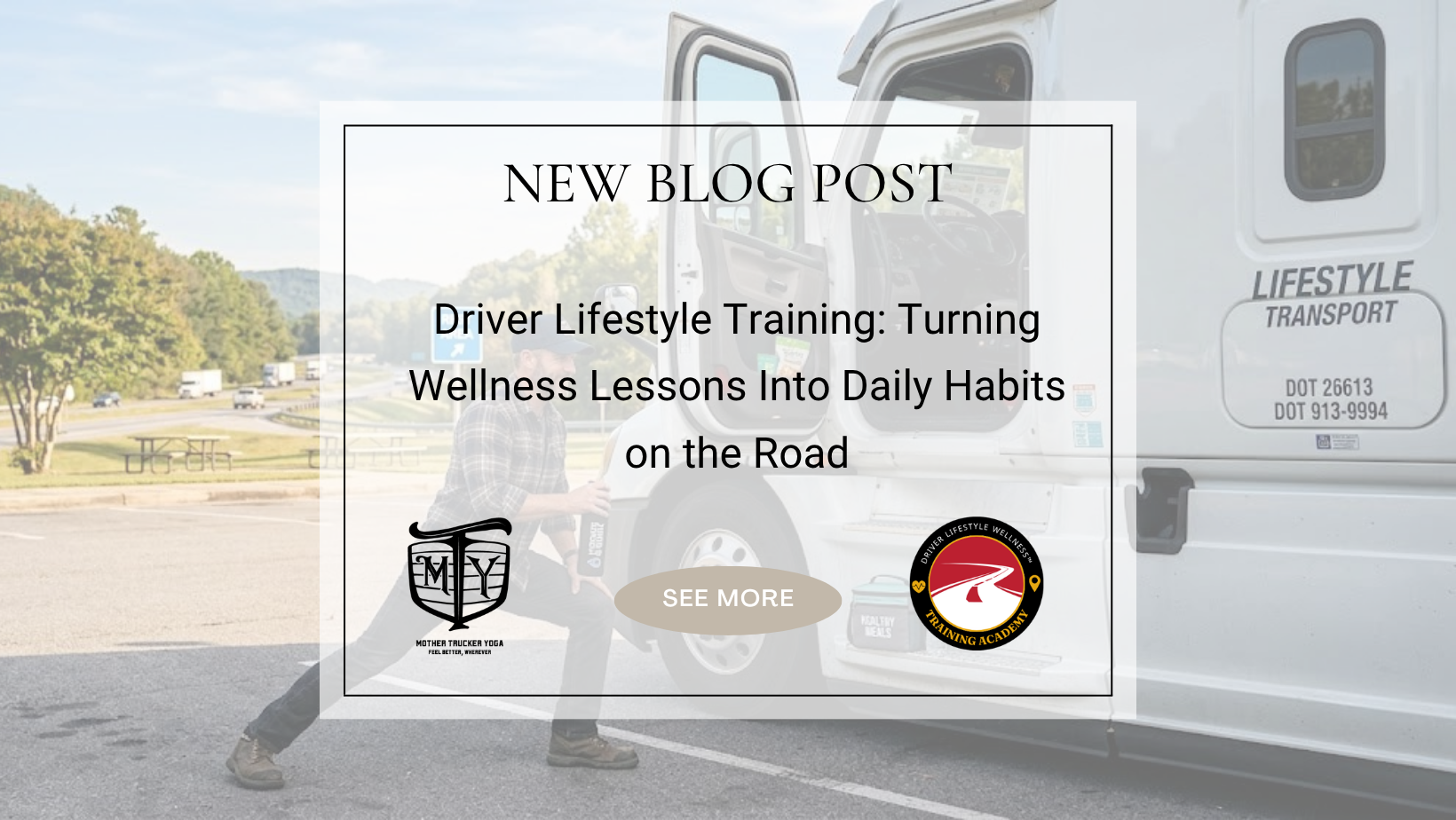
Driver Lifestyle Training: Turning Wellness Lessons Into Daily Habits on the Road
Driver Lifestyle Training
Most CDL students enter training focused on one goal:
Getting licensed and starting a career.
And while learning to operate a commercial vehicle is critical, many new drivers quickly discover that technical skills alone are not enough to sustain long-term success in trucking.
Because the real challenge begins after training ends.
Life on the road introduces:
- Long work hours
- Physical fatigue
- Stress and isolation
- Sleep disruption
- Limited healthy options
Without preparation, these challenges often lead to:
- Burnout
- Poor health
- Reduced job satisfaction
- Early career exit
This is why driver lifestyle training is becoming one of the most valuable additions to modern CDL education.
Because successful drivers need more than operational knowledge.
They need sustainable lifestyle strategies that support them long after graduation.
Why Lifestyle Readiness Matters
The trucking lifestyle is demanding in ways many students do not fully understand until they experience it firsthand.
Drivers spend long periods:
- Sitting
- Driving under pressure
- Managing irregular schedules
- Recovering in limited spaces
Without healthy habits already established, it becomes easy for wellness to decline quickly.
Lifestyle readiness helps drivers prepare for:
- Physical stress
- Emotional demands
- Long-term career sustainability
This preparation can significantly improve overall driver success.
Technical Training Alone Is No Longer Enough
Traditional CDL education focuses heavily on:
- Vehicle operation
- Compliance
- Safety regulations
- Inspection procedures
These areas are essential.
But drivers also need education that prepares them for:
- Managing stress
- Maintaining physical wellness
- Building healthy routines
- Preventing burnout
The industry is beginning to recognize that wellness education must become part of professional driver preparation-not an afterthought.
Small Habits Create Long-Term Results
One of the biggest goals of effective driver lifestyle training is helping students develop habits they can realistically maintain on the road.
Drivers do not need perfection.
They need consistency.
Simple habits may include:
- Drinking water throughout the day
- Stretching during breaks
- Prioritizing sleep whenever possible
- Managing stress proactively
Over time, these small actions create meaningful long-term wellness improvements.
Why New Drivers Often Struggle
The first year of trucking is often one of the most difficult.
New drivers are adapting to:
- Long schedules
- Physical exhaustion
- New responsibilities
- Lifestyle adjustments
Without support, many drivers quickly abandon healthy routines because survival mode takes over.
This is why wellness education must be practical, realistic, and easy to apply within real-world trucking conditions.
Wellness Habits Must Fit Real Driver Schedules
Many wellness programs fail because they are unrealistic for life on the road.
Drivers need strategies that work inside:
- Tight schedules
- Limited spaces
- Unpredictable conditions
Practical wellness education focuses on:
- Quick mobility routines
- Healthy travel meal strategies
- Stress reduction techniques
- Sleep improvement habits
Simple systems are more sustainable than overly complicated wellness plans.
CDL Schools Have the Opportunity to Shape Industry Culture
CDL schools are more than technical training centers.
They help shape the future culture of the trucking industry.
When schools prioritize wellness education, they help normalize:
- Self-care
- Preventive wellness
- Mental health awareness
- Lifestyle sustainability
Students who learn wellness early are more likely to carry those habits into their careers.
Wellness Education Supports Driver Retention
Driver turnover remains one of the trucking industry’s biggest challenges.
Many drivers leave due to:
- Burnout
- Physical discomfort
- Stress
- Poor work-life balance
Drivers who develop healthier routines early are often better prepared to manage the demands of the profession long-term.
This contributes to:
- Better retention
- Improved job satisfaction
- Greater career sustainability
Healthy Drivers Support Safer Roads
Wellness directly impacts safety.
Drivers struggling with:
- Fatigue
- Poor sleep
- Stress
- Physical pain
may experience reduced:
- Focus
- Reaction time
- Alertness
Driver lifestyle training helps support healthier routines that improve overall driving performance and safety outcomes.
Instructors Play a Major Role
Students pay attention to what instructors model-not just what they teach.
When instructors demonstrate:
- Healthy stress management
- Hydration habits
- Positive recovery practices
students begin to view wellness as part of professional driver identity.
This influence can create long-term cultural shifts within the industry.
Fleets Must Continue the Wellness Conversation
Wellness habits are more likely to continue when fleets reinforce them after drivers leave school.
Fleets can support wellness by:
- Encouraging movement breaks
- Supporting sleep health
- Promoting hydration and recovery
- Creating wellness-focused workplace culture
When schools and fleets work together, drivers receive more consistent support.
The Future of Trucking Depends on Sustainable Drivers
The industry cannot continue operating with high levels of:
- Burnout
- Turnover
- Chronic health issues
Long-term industry sustainability requires healthier drivers.
This means training programs must prepare drivers for:
- Lifestyle management
- Physical wellness
- Mental resilience
- Long-term recovery habits
The future of trucking depends on drivers who are prepared for the realities of life on the road.
Wellness Must Become Part of Professional Development
Wellness should no longer be viewed as optional.
It should become a core part of professional driver development.
Drivers who prioritize wellness are often better equipped to:
- Handle stress
- Recover physically
- Maintain long-term performance
- Build sustainable careers
Healthy habits protect both drivers and the industry itself.
Final Thoughts
The transition from the classroom to the cab is where many drivers either build sustainable habits-or lose them.
Effective driver lifestyle training helps students create practical wellness routines that support long-term health, retention, resilience, and safety on the road.
When wellness becomes part of driver education and industry culture, drivers are better prepared not just to start their careers-but to sustain them successfully for years to come.
You May Also Like
- How CDL Schools Are Leading the Way in Driver Wellness Programs
External Resource: https://www.cdc.gov/transportationsafety
- Fleet Managers and Wellness: 2025 Implementation Trends and Best Practices
External Resource: https://www.fleetowner.com
- Overcoming Barriers: Challenges in Driver Wellness Adoption
External Resource: https://www.nhtsa.gov
- Driver Lifestyle Wellness: Benefits for Safety and Performance
External Resource: https://www.osha.gov