
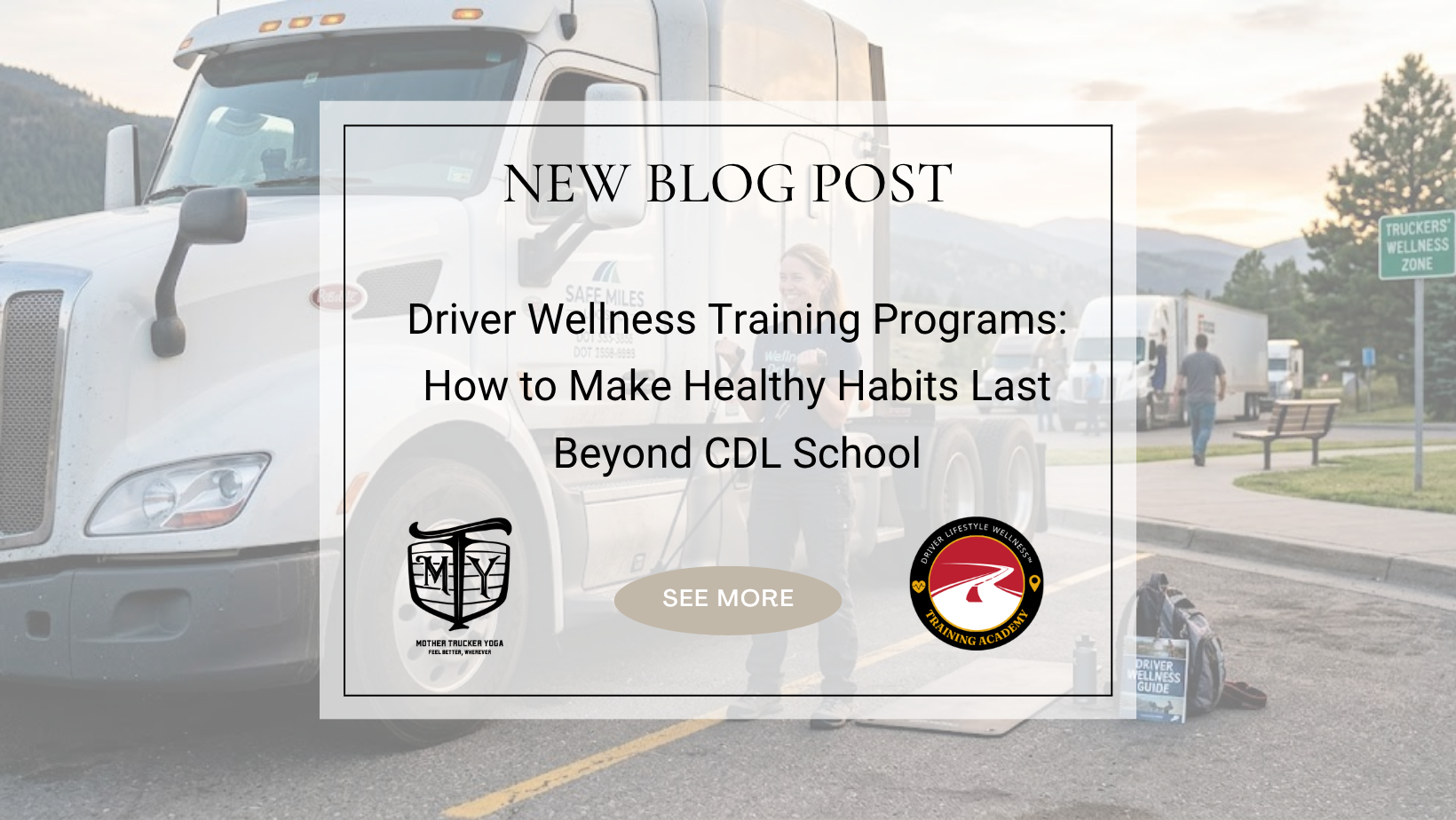
Driver Wellness Training Programs: How to Make Healthy Habits Last Beyond CDL School
The trucking industry has spent years focusing heavily on technical driver training. Driver Wellness Training Programs
Students learn:
- Safety regulations
- Vehicle operation
- Compliance procedures
- Defensive driving skills
All of these are essential.
But there is another critical piece of long-term driver success that often gets overlooked:
Lifestyle readiness.
Because graduating from CDL school is only the beginning.
The real challenge starts once drivers transition from the classroom to life on the road.
This is where driver wellness training programs become essential.
Because wellness education only creates lasting impact if healthy habits continue beyond training.
Why Wellness Must Continue Beyond the Classroom
Many CDL programs have started integrating wellness education into training.
Students may learn about:
- Nutrition
- Movement and stretching
- Stress management
- Sleep awareness
- Hydration habits
But information alone is not enough.
The real question is:
Will those habits continue once drivers begin working full-time?
Long-term driver wellness depends on turning education into sustainable daily routines.
The Reality of Life on the Road
New drivers quickly discover that trucking creates unique wellness challenges.
Drivers face:
- Long hours sitting
- Irregular sleep schedules
- Limited healthy food options
- Physical fatigue
- Emotional stress and isolation
Without strong wellness habits already in place, these challenges often lead to:
- Burnout
- Poor health outcomes
- High turnover
This is why wellness education must prepare drivers for real-world conditions-not just classroom discussions.
Why Habits Matter More Than Motivation
Motivation fades.
Habits last.
One of the biggest goals of effective driver wellness training programs is helping students build routines that become automatic over time.
This may include:
- Drinking water consistently
- Stretching during breaks
- Managing stress proactively
- Prioritizing sleep and recovery
Small consistent habits create long-term wellness success.
CDL Schools Play a Critical Role
CDL schools are often the first place where drivers are introduced to wellness education.
This gives schools a unique opportunity to:
- Shape long-term habits
- Normalize healthy behaviors
- Prepare students for the physical realities of trucking
When wellness becomes part of training culture early, students are more likely to carry those habits into their careers.
Wellness Education Must Be Practical
Drivers need realistic wellness strategies-not complicated programs they cannot maintain on the road.
Effective wellness education focuses on:
- Simple mobility routines
- Easy hydration habits
- Practical meal strategies
- Stress reduction techniques
- Recovery and sleep support
The easier habits are to implement, the more likely drivers are to continue using them consistently.
The Transition Period Is Critical
The first months after CDL graduation are often the most difficult.
New drivers are adjusting to:
- Long shifts
- Unpredictable schedules
- New work environments
- Mental and physical fatigue
This transition period is where many healthy intentions begin to disappear.
Without continued support, wellness habits learned during training can quickly fade.
Fleets Must Reinforce Wellness Culture
CDL schools cannot carry the responsibility alone.
Fleets also play a major role in helping wellness habits stick long-term.
Drivers are more likely to maintain healthy routines when fleets:
- Encourage movement breaks
- Promote wellness education
- Support recovery and sleep health
- Create positive wellness culture
Consistency between training and employment creates stronger long-term results.
Driver Wellness Directly Impacts Retention
Health challenges remain one of the biggest contributors to driver turnover.
Drivers struggling with:
- Fatigue
- Stress
- Chronic pain
- Burnout
are far more likely to leave the industry early.
When wellness habits are established early and reinforced consistently, drivers are better prepared to manage the demands of the profession long-term.
Wellness Training Supports Safety
Healthy drivers tend to perform better behind the wheel.
Drivers experiencing:
- Better sleep
- Reduced stress
- Improved physical comfort
often demonstrate:
- Better focus
- Improved reaction time
- Greater consistency
Wellness education is not separate from safety.
It supports it directly.
Instructors Help Shape Driver Behavior
Students often model what instructors demonstrate.
When instructors prioritize:
- Hydration
- Movement
- Stress management
- Positive wellness habits
students begin viewing wellness as a normal part of professional driving culture.
This leadership influence matters more than many schools realize.
Wellness Must Become Part of Industry Culture
The trucking industry has traditionally focused more on compliance than sustainability.
But the future requires a broader approach.
Long-term driver success depends on:
- Physical wellness
- Mental resilience
- Lifestyle management
Wellness education helps drivers build careers-not just pass exams.
Why Simple Wellness Systems Work Best
Drivers already manage demanding schedules and responsibilities.
Complex wellness systems often fail because they are difficult to maintain consistently.
The most successful wellness habits are usually:
- Simple
- Flexible
- Easy to repeat daily
Consistency creates stronger long-term outcomes than perfection.
The Industry Is Beginning to Evolve
More CDL schools and fleets are recognizing the importance of:
- Preventive wellness education
- Lifestyle readiness training
- Sustainable driver health habits
This shift reflects a growing understanding that driver wellness directly impacts:
- Retention
- Safety
- Workforce sustainability
The future of trucking depends on healthier drivers.
Final Thoughts
Teaching wellness in the classroom is important-but making those habits last on the road is where the real impact happens.
Effective driver wellness training programs help students build practical habits that support long-term health, career sustainability, and overall well-being.
When wellness becomes part of both training and workplace culture, drivers are better equipped to handle the realities of life on the road.
And healthier drivers help create a stronger future for the trucking industry.
You May Also Like
- How CDL Schools Are Leading the Way in Driver Wellness Programs
External Resource: https://www.cdc.gov/transportationsafety
- Fleet Managers and Wellness: 2025 Implementation Trends and Best Practices
External Resource: https://www.fleetowner.com
- Overcoming Barriers: Challenges in Driver Wellness Adoption
External Resource: https://www.nhtsa.gov
- Driver Lifestyle Wellness: Benefits for Safety and Performance
External Resource: https://www.osha.gov