
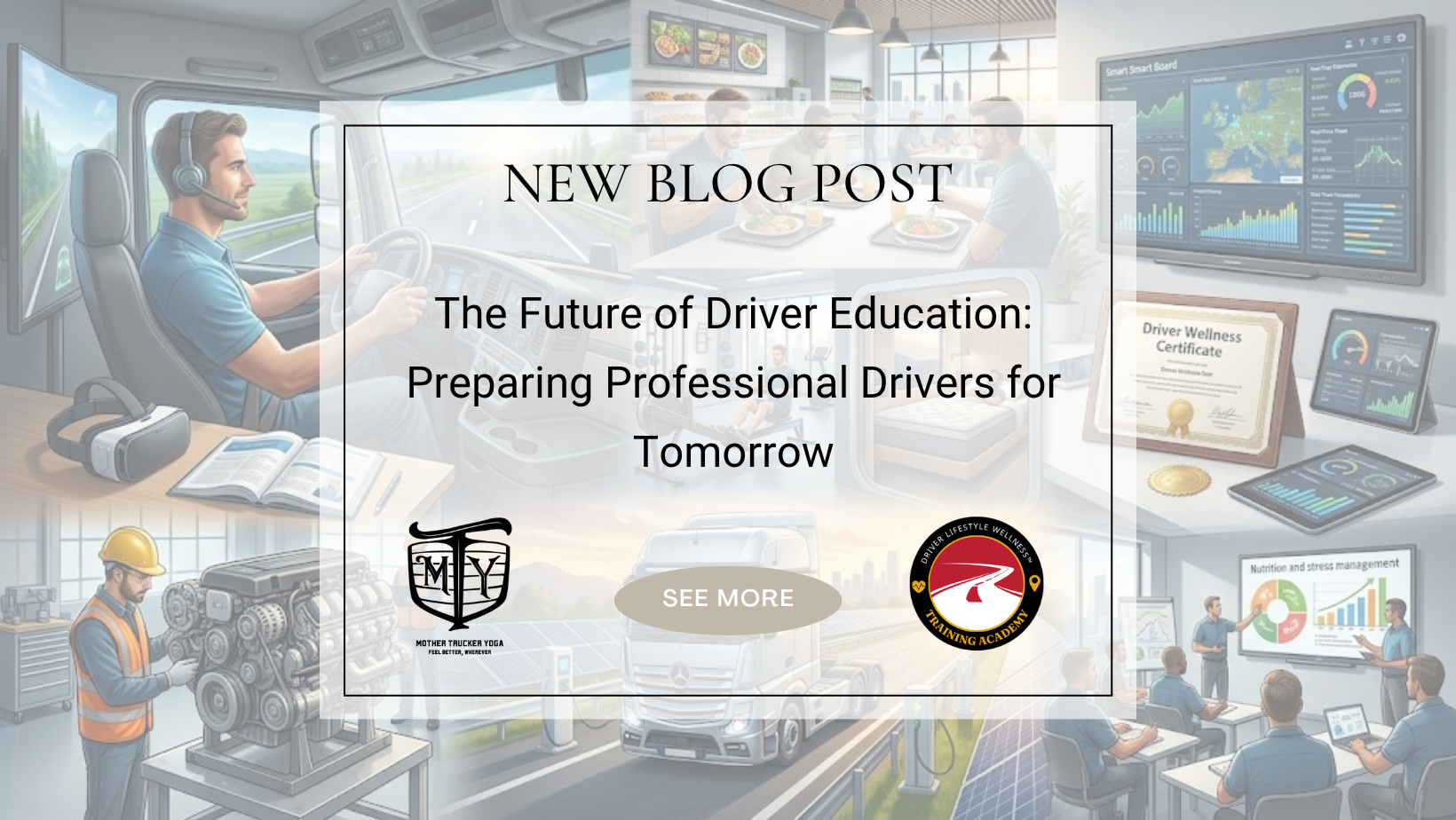
The Future of Driver Education: Preparing Professional Drivers for Tomorrow
The Future of Driver Education
The transportation industry is evolving faster than ever.
New technologies are changing how trucks operate. Safety standards continue to improve. Fleet expectations are growing, and professional drivers are taking on more responsibility than ever before.
As the industry changes, one thing is becoming increasingly clear:
Driver education must evolve, too.
Today’s CDL students need more than the technical skills required to earn a commercial driver’s license. They need the knowledge, habits, and mindset that will help them succeed throughout long, healthy careers.
The future of driver education isn’t just about teaching someone how to drive a truck.
It’s about preparing professional drivers for every aspect of life on the road.
Modern Drivers Need Modern Training
Traditional CDL education focuses on essential skills like:
- Vehicle inspections
- Defensive driving
- Federal regulations
- Backing maneuvers
- Safety procedures
These remain the foundation of every successful training program.
However, today’s professional drivers also face challenges related to health, technology, communication, stress, and career development.
Modern driver education must prepare students for these realities as well.
Wellness Is Becoming Essential
Driver wellness is no longer considered an optional topic.
More fleets now recognize that healthier drivers often perform better, remain in the industry longer, and contribute to safer operations.
Future driver education should include topics such as:
- Nutrition
- Hydration
- Sleep health
- Stress management
- Physical activity
- Mobility
- Preventive healthcare
- Mental wellness
Teaching these habits early helps students build routines that support long-term success.
Technology Will Continue to Shape Learning
Technology is transforming both transportation and education.
Students now have access to:
- Online learning platforms
- Virtual classrooms
- Interactive training modules
- Digital assessments
- Video-based instruction
- Mobile learning resources
These tools allow CDL schools to deliver flexible education that better fits the needs of today’s learners.
Technology also prepares future drivers to work confidently with the advanced systems found in modern commercial vehicles.
Professionalism Matters More Than Ever
Today’s fleets expect drivers to represent their companies professionally.
Future driver education should emphasize:
- Communication skills
- Personal accountability
- Time management
- Problem-solving
- Customer service
- Leadership
Professional drivers do far more than transport freight.
They represent their employers every time they interact with customers, inspectors, dispatchers, and the public.
Lifelong Learning Creates Better Drivers
Graduation shouldn’t mark the end of driver education.
The transportation industry continues to evolve through changing regulations, new technology, and improved safety practices.
Successful drivers remain committed to continuous learning throughout their careers.
CDL schools can encourage this mindset by helping students understand that professional development is an ongoing process.
The best drivers never stop learning.
Safety Will Always Be the Foundation
No matter how much the industry changes, safety will remain the highest priority.
Future driver education should continue reinforcing:
- Defensive driving
- Situational awareness
- Risk management
- Fatigue prevention
- Vehicle inspections
- Safe decision-making
Adding wellness education strengthens these safety principles by helping drivers maintain the physical and mental readiness needed for safe performance.
Partnerships Between Schools and Fleets
The strongest driver education programs are built through collaboration.
CDL schools and fleet employers benefit when they work together to understand industry needs.
These partnerships help ensure graduates enter the workforce with practical skills that match employer expectations.
When education reflects real-world demands, students transition more confidently into professional driving careers.
Preparing Drivers for Long-Term Careers
Driver education should focus on more than passing licensing exams.
It should prepare students for careers that may last decades.
That means teaching drivers how to:
- Care for their health
- Adapt to industry changes
- Build healthy routines
- Continue developing professionally
- Navigate career opportunities
A long-term approach helps create resilient drivers who are ready for future challenges.
Innovation Starts in the Classroom
Every innovation in trucking begins with education.
When schools introduce wellness, technology, leadership, and professional development alongside traditional CDL instruction, they help shape the next generation of transportation professionals.
Students gain more than technical knowledge.
They develop confidence, adaptability, and the skills needed to thrive in an evolving industry.
Building the Future of Transportation
The future of trucking depends on well-prepared professionals.
Fleet owners, educators, regulators, and industry leaders all play an important role in building training programs that reflect today’s transportation environment.
By expanding driver education beyond vehicle operation, we prepare graduates to become healthier, safer, and more successful professionals.
The future of driver education isn’t simply about creating licensed drivers.
It’s about developing leaders who will move the transportation industry forward.
Final Thoughts
Driver education is entering a new era.
As the trucking industry evolves, training programs must evolve with it by combining technical instruction with wellness education, leadership development, technology, and lifelong learning.
Students who receive this well-rounded education graduate with more than a CDL.
They gain the knowledge, confidence, and healthy habits needed to build long, successful careers.
The future of transportation begins in the classroom, and the drivers we educate today will shape the industry for years to come.
You May Also Like
Fleet Managers and Wellness: 2025 Implementation Trends and Best Practices
External:
https://www.fmcsa.dot.gov/safety
2025 Driver Lifestyle Wellness Adoption: Key Statistics and Insights
External: https://www.apa.org/topics/stress