
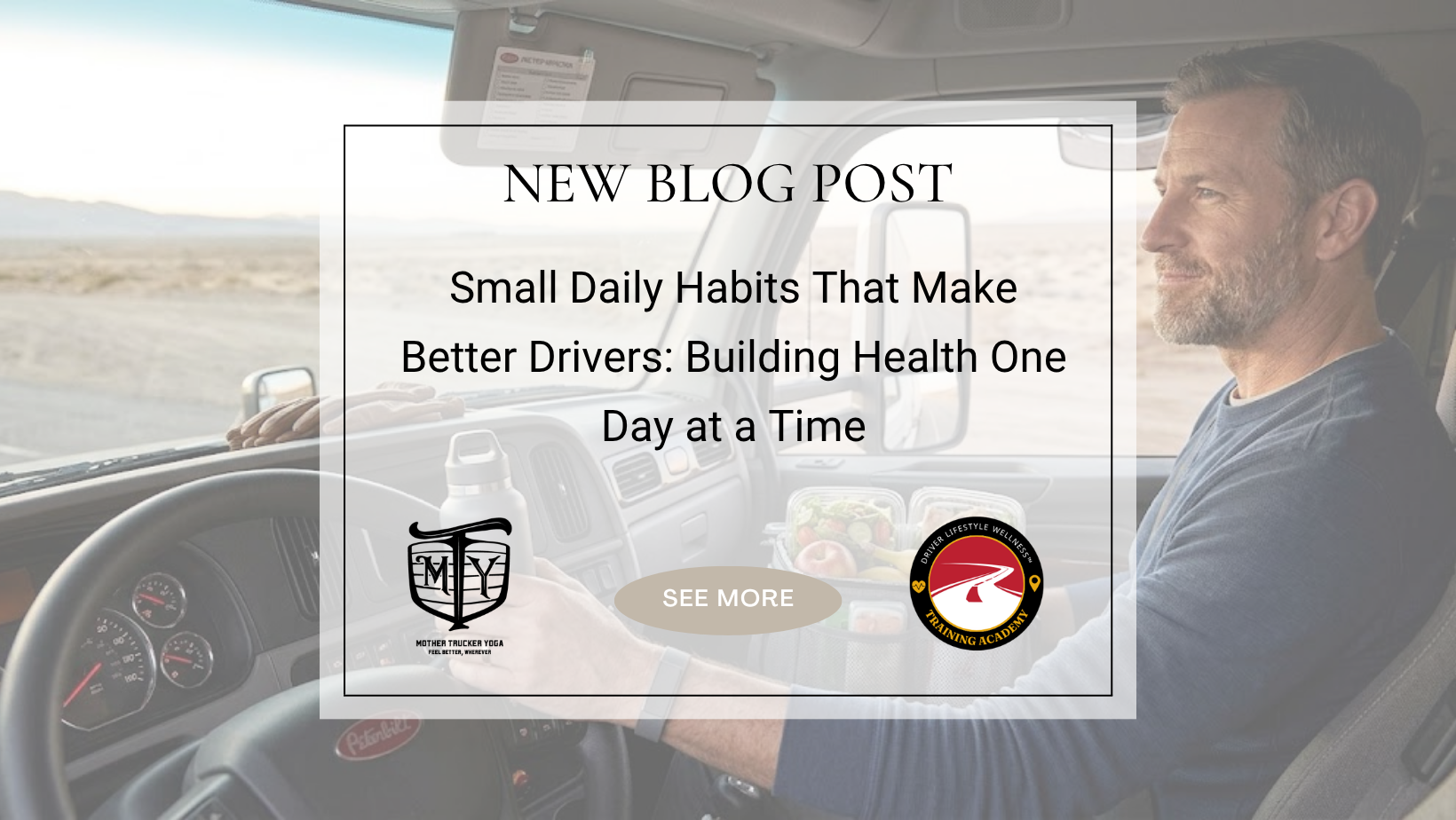
Small Daily Habits That Make Better Drivers: Building Health One Day at a Time
Small Daily Habits That Make Better Drivers
Success behind the wheel isn’t built overnight. Small Daily Habits for Better Drivers
It’s built one mile, one decision, and one healthy habit at a time.
Many professional drivers believe improving their health requires major lifestyle changes. While ambitious goals can be inspiring, lasting success usually comes from small, consistent actions repeated every day.
Choosing water instead of soda.
Stretching before a shift.
Getting to bed a little earlier.
Taking a short walk during a break.
These simple choices may seem insignificant on their own, but together they create healthier drivers who are better prepared for the demands of the road.
For CDL schools, teaching these habits early helps students develop routines that support both personal wellness and professional success throughout their careers.
Great Drivers Build Great Habits
Driving is a profession built on consistency.
Professional drivers perform vehicle inspections, follow safety procedures, and maintain regulations because they understand that routine creates reliability.
Health works the same way.
Small daily habits improve physical and mental well-being over time, helping drivers stay energized, focused, and resilient throughout their careers.
Teaching students to build healthy routines is just as valuable as teaching them to operate a commercial vehicle.
Healthy Habits Improve Daily Performance
Drivers who consistently care for their health often experience benefits such as:
- Better energy levels
- Improved concentration
- Reduced fatigue
- Greater flexibility
- Better sleep quality
- Improved mood
- Increased resilience
These improvements support better decision-making both on and off the road.
Hydration Makes a Difference
Water is one of the simplest wellness tools available.
Proper hydration supports:
- Mental focus
- Physical endurance
- Healthy circulation
- Muscle function
- Overall wellness
Drivers should make drinking water throughout the day a regular habit rather than waiting until they feel thirsty.
Small hydration habits support long-term performance.
Movement Keeps the Body Ready
Professional driving involves long periods of sitting.
Without regular movement, drivers may experience stiffness, tight muscles, and reduced mobility.
Simple movement habits include:
- Stretching before driving
- Walking during fuel stops
- Mobility exercises during breaks
- Gentle movement after each shift
Even five minutes of activity several times throughout the day helps support better physical health.
Prioritize Sleep Whenever Possible
Quality sleep is one of the most valuable habits professional drivers can develop.
Healthy sleep supports:
- Alertness
- Memory
- Reaction time
- Decision-making
- Recovery
While schedules may vary, creating consistent bedtime routines whenever possible helps improve sleep quality over time.
Well-rested drivers are better prepared for every trip.
Nutrition Supports Long-Term Health
Healthy eating doesn’t require perfection.
Small improvements can make a meaningful difference.
Examples include:
- Packing healthy snacks
- Choosing grilled foods when available
- Eating more fruits and vegetables
- Limiting sugary drinks
- Eating balanced meals
These simple choices help provide steady energy throughout the day while supporting long-term wellness.
Stress Management Is a Professional Skill
Traffic delays, weather conditions, deadlines, and time away from family can all create stress.
Teaching drivers healthy ways to manage stress is an important part of wellness education.
Helpful habits include:
- Deep breathing
- Mindfulness
- Stretching
- Short walks
- Listening to relaxing music
- Talking with supportive friends or family
Managing stress helps drivers stay calm and focused under pressure.
Consistency Beats Perfection
One missed workout or one unhealthy meal doesn’t define your health.
Neither does one perfect day.
Wellness is built through consistency rather than perfection.
Encouraging students to focus on progress instead of unrealistic expectations makes healthy habits easier to maintain over time.
Small improvements add up.
CDL Schools Can Build Healthy Routines Early
Driver education provides the perfect opportunity to introduce wellness habits before students begin their careers.
By incorporating topics such as:
- Hydration
- Nutrition
- Sleep
- Movement
- Stress management
- Preventive healthcare
CDL schools prepare future drivers with practical skills that extend far beyond earning a commercial driver’s license.
These lessons support healthier careers from day one.
Healthy Habits Create Better Drivers
Drivers who consistently practice healthy habits often develop greater confidence in both their personal and professional lives.
When health becomes part of everyday decision-making, drivers are better equipped to manage demanding schedules, maintain focus, and perform safely.
Wellness isn’t separate from professional development.
It’s part of becoming the best driver possible.
Final Thoughts
Becoming a better driver doesn’t require dramatic lifestyle changes.
It starts with small daily habits practiced consistently over time.
Drinking more water.
Moving throughout the day.
Choosing healthier meals.
Getting quality sleep.
Managing stress.
These simple routines help drivers improve their health, strengthen their performance, and build sustainable careers in the transportation industry.
For CDL schools and fleet leaders, teaching these habits is one of the most valuable investments they can make in the future of professional driving.
Because great drivers aren’t built in a day.
They’re built through the healthy choices they make every day.
You May Also Like
1️⃣ Fleet Managers and Wellness: 2025 Implementation Trends and Best Practices
External:
https://www.fmcsa.dot.gov/safety
2️⃣ 2025 Driver Lifestyle Wellness Adoption: Key Statistics and Insights
External: