
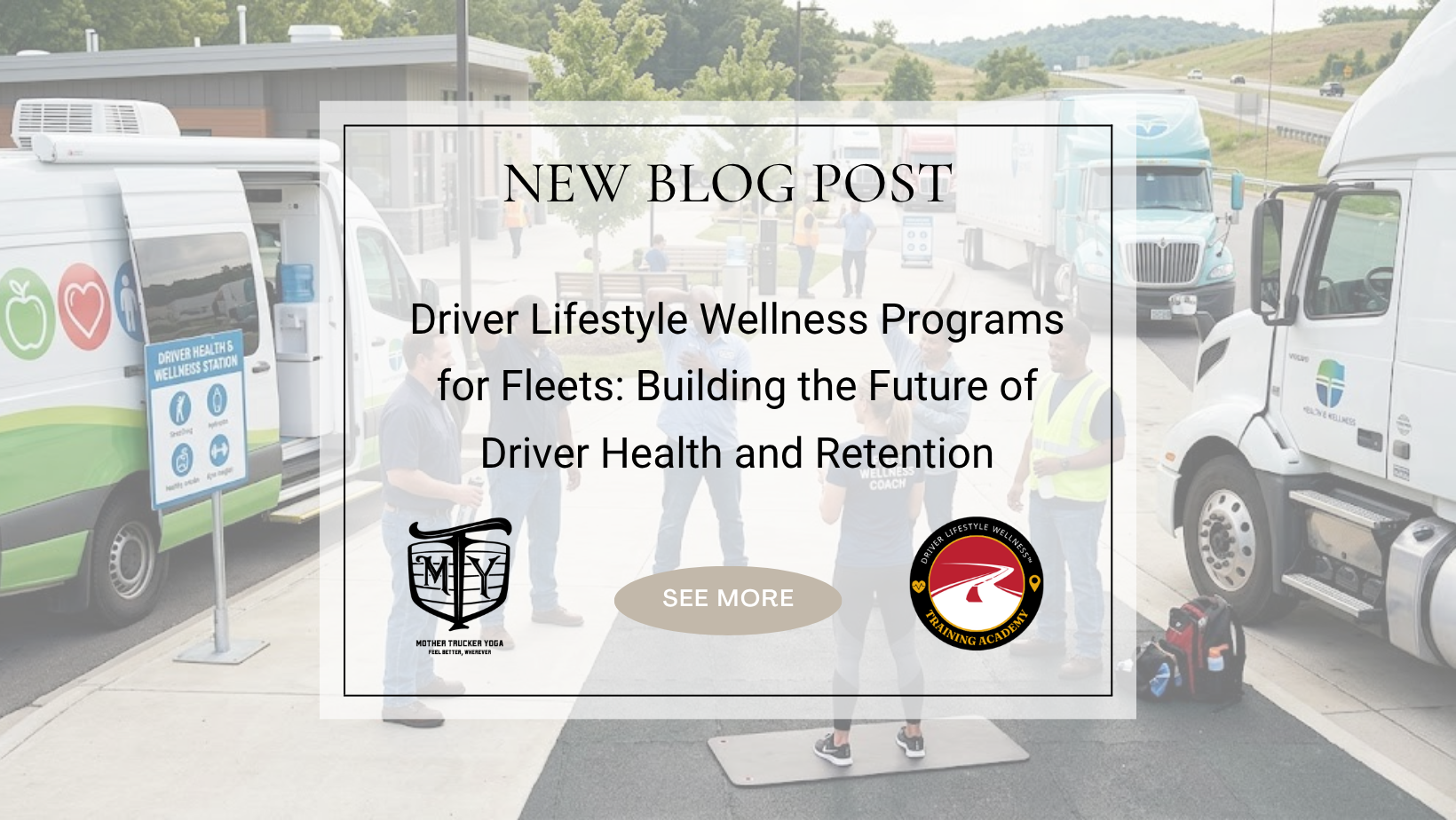
Driver Lifestyle Wellness Programs for Fleets: Building the Future of Driver Health and Retention
The trucking industry is evolving.
Technology is advancing.
Logistics are becoming more complex.
Demand for drivers continues to grow.
But one challenge remains constant-and costly:
Driver retention.
Fleet owners and industry leaders have spent years trying to solve this issue through higher pay, better routes, and improved equipment.
Yet turnover remains high.
Why?
Because the future of trucking doesn’t just depend on better systems.
It depends on healthier drivers.
This is where driver lifestyle wellness programs for fleets are changing the conversation.
What Is Driver Lifestyle Wellness™?
Driver Lifestyle Wellness™ is not just a wellness initiative-it’s a structured, educational approach to supporting drivers in their daily lives.
It focuses on:
- Physical health
- Mental resilience
- Sleep and recovery
- Nutrition on the road
- Stress management
But more importantly, it is designed specifically for the realities of the trucking lifestyle.
This is not a one-size-fits-all program.
It’s a system built for drivers, by understanding drivers.
Why Fleets Need a New Approach
Traditional wellness programs often fail in trucking environments because they are not practical.
They assume:
- Access to gyms
- Consistent schedules
- Stable environments
Drivers don’t have those luxuries.
As a result, many wellness programs go unused-despite good intentions.
Driver Lifestyle Wellness™ programs are different because they:
- Meet drivers where they are
- Fit into real schedules
- Provide actionable, simple strategies
This makes them effective.
The Connection Between Wellness and Retention
Retention is not just about job satisfaction.
It’s about sustainability.
Drivers leave the industry when:
- Their bodies break down
- Stress becomes overwhelming
- Fatigue becomes chronic
- Health issues go unmanaged
When fleets invest in driver lifestyle wellness programs for fleets, they address these issues directly.
This leads to:
- Reduced burnout
- Improved daily performance
- Increased job satisfaction
- Longer driver careers
Healthy drivers stay longer.
The Cost of Ignoring Driver Wellness
Ignoring wellness is not just a health issue-it’s a business risk.
Fleets that do not prioritize driver health often face:
- High turnover rates
- Increased healthcare costs
- More safety incidents
- Lower productivity
- Driver shortages
These challenges compound over time.
In contrast, fleets that invest in wellness create a more stable and reliable workforce.
What Makes a Lifestyle Wellness Program Effective
Not all wellness programs are created equal.
For fleets, effectiveness comes down to three key factors:
1. Education That Is Practical and Relevant
Drivers need education they can actually use.
This includes:
- Stretching routines they can do in or around the truck
- Nutrition tips for truck stops
- Sleep strategies for irregular schedules
When education is realistic, it becomes actionable.
2. Consistency Over Complexity
Programs don’t need to be complicated-they need to be consistent.
Short, repeatable practices create long-term change.
Examples include:
- Daily movement routines
- Simple breathing exercises
- Hydration habits
Consistency builds results.
3. Integration Into Training and Culture
Wellness cannot be an afterthought.
It needs to be integrated into:
- CDL training programs
- Fleet onboarding
- Ongoing driver education
When wellness becomes part of the culture, participation increases.
The Role of CDL Schools and Training Programs
The foundation of driver wellness starts before drivers even hit the road.
CDL schools play a critical role in:
- Teaching lifestyle habits early
- Preventing burnout before it begins
- Preparing drivers for real-world conditions
By integrating Driver Lifestyle Wellness™ into training, schools help create drivers who are:
- More resilient
- More prepared
- More likely to stay in the industry
This is where long-term retention begins.
Why Fleet Leaders Should Pay Attention Now
The industry is at a tipping point.
Driver shortages are increasing.
Health risks are rising.
Expectations are changing.
Fleet leaders who take action now will:
- Gain a competitive advantage
- Attract higher-quality drivers
- Build stronger, more loyal teams
Those who don’t risk falling behind.
The Future of Trucking Is Human-Centered
The future is not just about automation or efficiency.
It’s about sustainability-and that starts with people.
Driver Lifestyle Wellness™ programs represent a shift toward:
- Preventive health
- Driver-centered strategies
- Long-term workforce development
This is how fleets move from reactive problem-solving to proactive leadership.
Final Thoughts
The trucking industry cannot solve retention without addressing driver health.
Driver lifestyle wellness programs for fleets provide a practical, scalable solution that supports drivers in the environments they actually work in.
When drivers feel better, they perform better.
When they perform better, they stay longer.
And when they stay longer, fleets grow stronger.
That is how we build the future of trucking.
You May Also Like
How CDL Schools Can Teach Wellness to Prevent Burnout – Discover why The Role of CDL Schools in Preventing Burnout CDL schools are more than just training grounds for truck drivers
Link: https://driverlifestylewellnessacademy.com/cdl-schools-driver-wellness-prevent-burnout/
Can Lifestyle Training Reduce New Driver Attrition Rates? – Learn how lifestyle training supports long-term driver health.
Link: https://driverlifestylewellnessacademy.com/lifestyle-training-lowers-driver-attrition/
External Resource: National Institute for Occupational Safety & Health – Trucker Mental Health Insights