
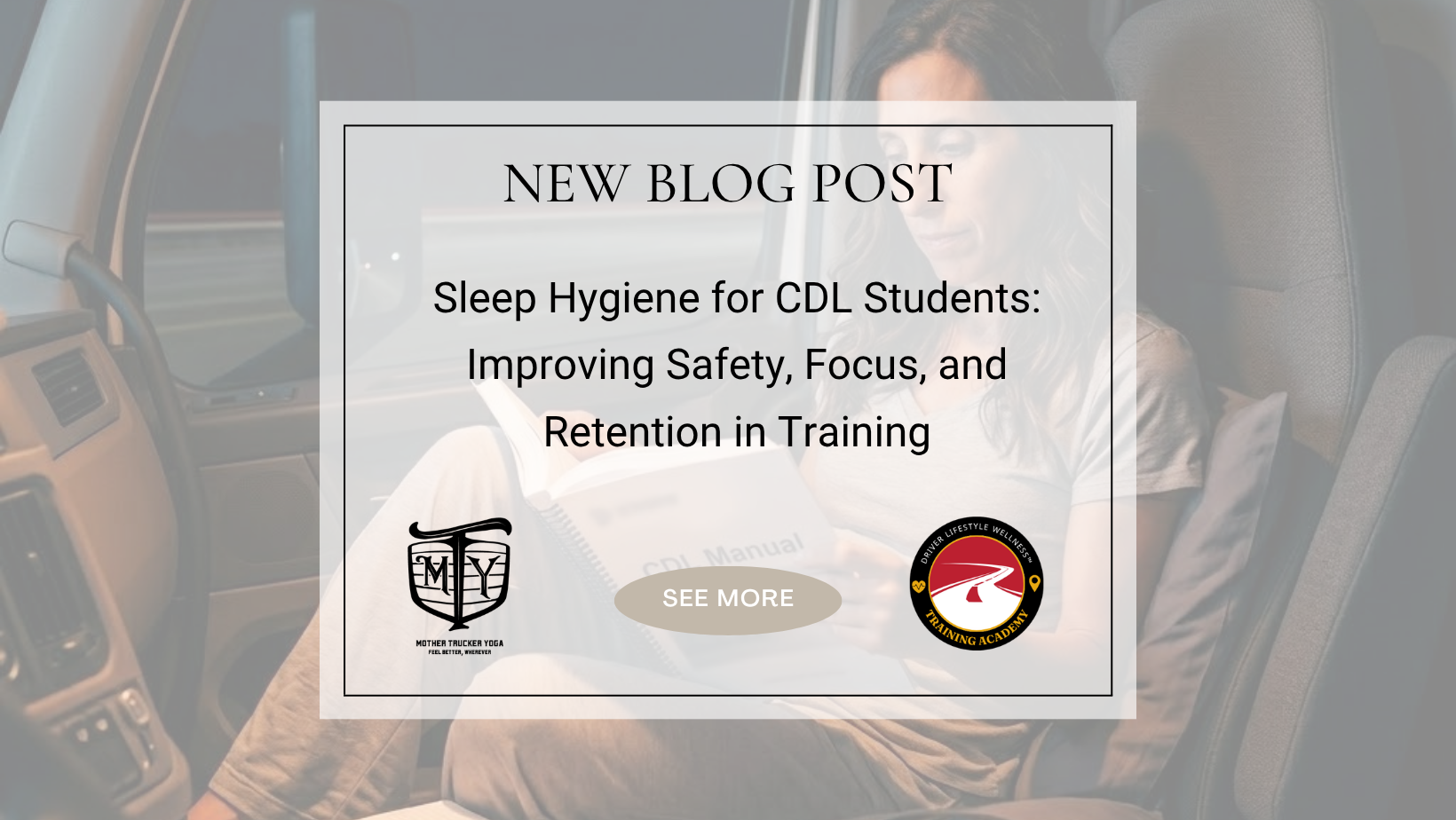
Sleep Hygiene for CDL Students: Improving Safety, Focus, and Retention in Training
Why Sleep Hygiene Matters in CDL Training
Sleep is often overlooked in CDL training programs, yet it directly impacts alertness, reaction time, decision-making, and long-term safety outcomes. For CDL students, inconsistent schedules, early classes, stress, and lifestyle habits can all disrupt natural sleep cycles.
Sleep hygiene for CDL students refers to the habits, routines, and environmental factors that support consistent, high-quality rest. When sleep hygiene is poor, students may experience fatigue, reduced concentration, slower reflexes, and impaired judgment—all of which can increase risk both during training and later in real-world driving.
For CDL schools and instructors, prioritizing sleep hygiene is not just a wellness initiative—it’s a safety strategy.
The Link Between Sleep and Driving Performance
Driving a commercial vehicle requires sustained attention, quick reactions, and mental clarity. Sleep deprivation undermines all three.
When CDL students don’t get adequate rest:
- Reaction times slow down
- Attention span decreases
- Memory retention weakens
- Decision-making becomes less accurate
Research from organizations such as the CDC and National Sleep Foundation consistently shows that sleep deprivation can impair performance similarly to alcohol intoxication in some cases.
For new drivers still developing their skills, this creates a compounding risk. Learning new maneuvers, memorizing regulations, and building confidence all require a well-rested brain.
Common Sleep Disruptors for CDL Students
Understanding what interferes with sleep is the first step in improving sleep hygiene for CDL students.
1. Irregular Schedules
Early morning classes, late-night studying, and inconsistent routines disrupt circadian rhythms.
2. Stress and Performance Pressure
Testing anxiety, financial concerns, and time constraints can keep the mind active at night.
3. Screen Time Before Bed
Phones, tablets, and laptops emit blue light that can suppress melatonin production, delaying sleep onset.
4. Caffeine Use
Energy drinks and coffee are commonly used to stay alert, but late-day consumption can interfere with sleep quality.
5. Poor Sleep Environment
Noise, light exposure, uncomfortable bedding, or shared living spaces can reduce sleep quality.
Core Principles of Sleep Hygiene for CDL Students
Improving sleep hygiene for CDL students doesn’t require complicated systems—it requires consistency and awareness.
Establish a Consistent Sleep Schedule
Going to bed and waking up at the same time each day helps regulate the body’s internal clock. Even on weekends, maintaining a similar schedule supports better sleep quality.
Create a Wind-Down Routine
A pre-sleep routine signals the body that it’s time to rest. This may include:
- Light stretching
- Reading
- Breathing exercises
- Limiting stimulating activities
Limit Screen Exposure Before Bed
Reducing screen time 30–60 minutes before sleep can improve melatonin production and help the body transition naturally into rest mode.
Manage Caffeine Intake
Caffeine can stay in the system for several hours. Avoiding caffeine in the late afternoon and evening supports deeper, more restorative sleep.
Optimize the Sleep Environment
A sleep-friendly environment should be:
- Dark
- Quiet
- Cool
- Comfortable
Simple tools like blackout curtains, earplugs, or white noise machines can make a significant difference.
The Role of Sleep in Learning and Memory
CDL students are constantly absorbing new information—safety protocols, driving techniques, regulations, and route planning.
Sleep plays a critical role in:
- Memory consolidation
- Skill retention
- Cognitive processing
Without adequate sleep, students may struggle to retain what they’ve learned in class or apply it effectively behind the wheel. This can lead to repeated mistakes, slower progress, and increased frustration.
Prioritizing sleep hygiene for CDL students enhances both academic and practical performance.
Fatigue as a Safety Risk in the Transportation Industry
Fatigue is one of the leading contributors to transportation-related incidents. While much of the focus is on experienced drivers, CDL students are equally vulnerable as they develop habits that will carry into their careers.
Sleep deprivation can lead to:
- Microsleeps (brief, involuntary lapses in attention)
- Reduced situational awareness
- Impaired judgment
- Slower hazard recognition
Addressing sleep hygiene early helps instill lifelong habits that support safer driving practices.
Practical Strategies CDL Schools Can Implement
CDL schools and educators play a key role in reinforcing sleep hygiene for CDL students.
Integrate Sleep Education into Curriculum
Include short modules or discussions on sleep, fatigue, and recovery as part of wellness or safety training.
Encourage Break Awareness
Teach students how rest breaks during long study sessions or driving practice can improve focus and performance.
Promote Wellness Culture
Normalize conversations around rest, recovery, and mental clarity as part of professional driver development.
Provide Resources
Offer guidance on sleep habits, stress management techniques, and fatigue awareness tools.
Lifestyle Habits That Support Better Sleep
Beyond the classroom, students can adopt daily habits that improve sleep quality:
- Engage in regular physical activity (earlier in the day)
- Stay hydrated throughout the day
- Avoid heavy meals close to bedtime
- Practice stress-reduction techniques such as journaling or breathwork
- Get exposure to natural light during the day to regulate circadian rhythms
These habits work together to reinforce healthy sleep patterns.
Sleep Hygiene and Long-Term Driver Health
Sleep hygiene for CDL students isn’t just about passing a test—it’s about building a sustainable foundation for a long and healthy career.
Drivers who maintain good sleep habits are more likely to:
- Stay alert on the road
- Experience less fatigue-related strain
- Maintain better overall health
- Perform consistently under pressure
Over time, this contributes to reduced risk, improved job satisfaction, and better retention within the industry.
Final Thoughts
Sleep is one of the most powerful yet underutilized tools in CDL training. When students prioritize sleep hygiene, they improve not only their performance in the classroom and behind the wheel, but also their long-term safety and well-being.
For CDL schools and educators, integrating sleep awareness into training programs is a proactive step toward developing safer, more prepared drivers. For students, small daily adjustments in sleep habits can lead to significant improvements in focus, confidence, and overall success.
You May Also Like
1. How CDL Schools Are Leading the Way in Driver Wellness Programs
- How CDL Schools Can Build Wellness Into Their Training Programs
- External Resource: https://www.cdc.gov/transportationsafety
2. Fleet Managers and Wellness: 2025 Implementation Trends and Best Practices
- How CDL Instructors Can Model Wellness Culture in the Classroom & On the Lot
- External Resource: https://www.fleetowner.com
3. Overcoming Barriers: Challenges in Driver Wellness Adoption
- Closing the Gap in Driver Health and Wellness in U.S. CDL Schools
- External Resource: https://www.nhtsa.gov
4. Driver Lifestyle Wellness: Benefits for Safety and Performance