
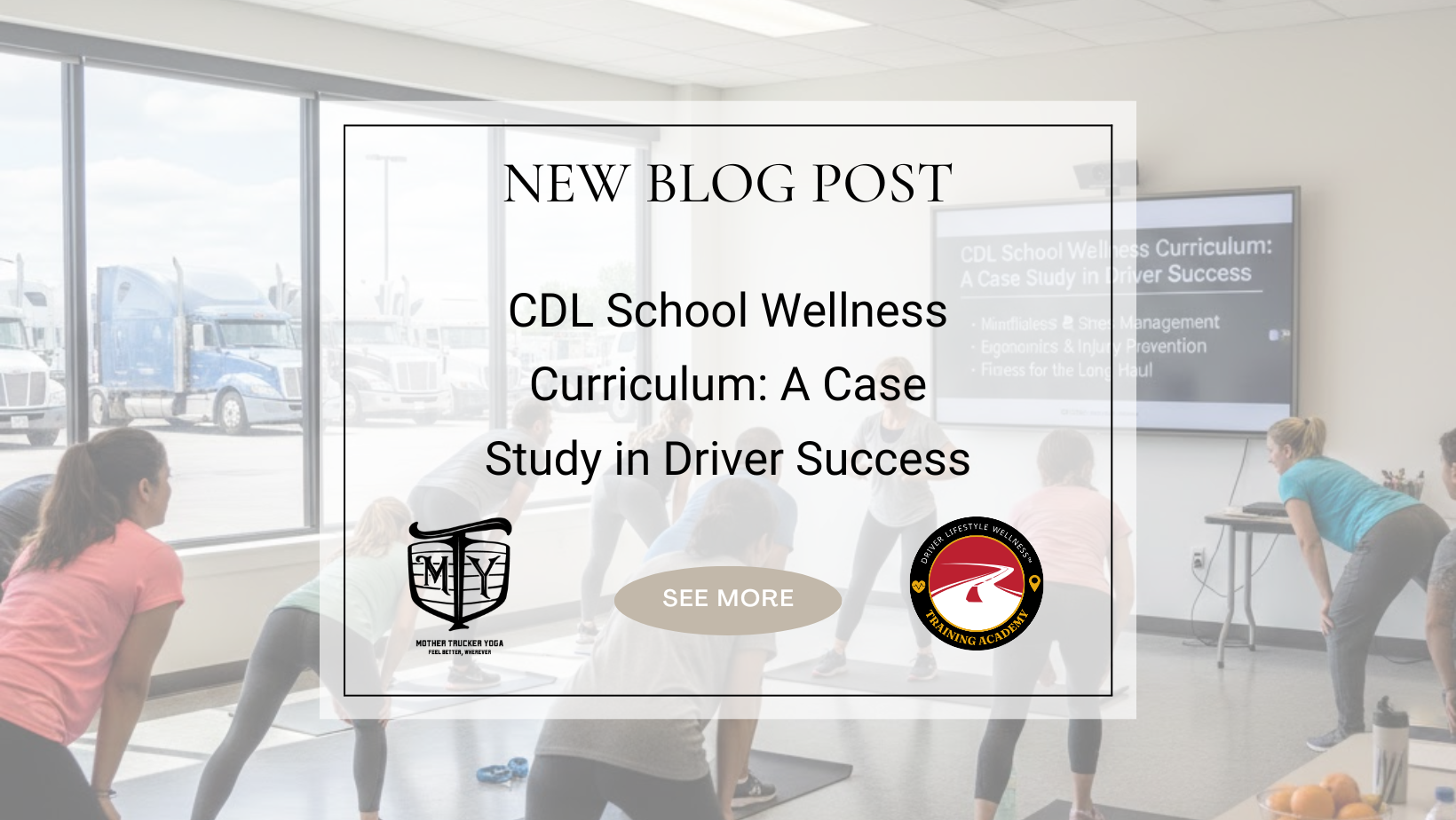
CDL School Wellness Curriculum: A Case Study in Driver Success
The trucking industry faces a critical challenge: driver wellness directly affects safety, retention, and career longevity. CDL schools are uniquely positioned to address this early by integrating wellness curriculum into training. This case study examines how one CDL school adopted a comprehensive wellness program and the measurable impact on students and operations.
Background: Why CDL Schools Need Wellness Education
New drivers entering the industry often face:
- Sedentary work habits
- Poor nutrition and hydration options
- Stress and fatigue from long hours
- Limited awareness of preventive healthcare
According to the FMCSA and CDC, addressing these factors early can prevent chronic conditions, improve driver alertness, and reduce turnover.
Traditional CDL training focuses heavily on driving skills, regulations, and safety. Wellness education is often optional or minimal. However, integrating a structured CDL school wellness curriculum can create a foundation for healthier, safer, and more successful drivers.
The Wellness Curriculum
The CDL school in this case study partnered with Driver Lifestyle Wellness Academy to integrate a comprehensive wellness program. The curriculum included:
- Physical Health Education
Exercises for strength, flexibility, and posture
Stretching routines designed for cab space and long hauls
Cardiovascular fitness guidance - Nutrition & Hydration Training
Meal planning for on-the-road conditions
Tips for healthy snacks and balanced meals
Hydration strategies for sustained energy - Mental Health & Stress Management
Breathing exercises, meditation, and mindfulness techniques
Strategies for managing stress, fatigue, and isolation
Resources for virtual counseling and support - Preventive Health Awareness
Screening for blood pressure, cholesterol, and body mass index (BMI)
Education on sleep hygiene and chronic condition prevention
Information on supplements and integrative wellness tools
This curriculum was embedded into the school schedule alongside traditional CDL training modules, ensuring students received a holistic approach to driver readiness.
Implementation Steps
The CDL school implemented the curriculum in four phases:
Phase 1: Staff Training
- Instructors received training on wellness principles
- Curriculum guides and lesson plans provided
- Emphasis on integrating wellness into everyday instruction
Phase 2: Student Orientation
- Introduced students to wellness modules from day one
- Provided materials, access to online resources, and wellness kits
- Set expectations for participation and engagement
Phase 3: Practical Application
- Students practiced stretches, nutrition planning, and stress management during training
- On-road training incorporated wellness checks and habits
- Real-life scenarios simulated to reinforce healthy routines
Phase 4: Monitoring & Feedback
- Weekly check-ins on student progress
- Surveys and assessments to measure knowledge retention and behavioral changes
- Adjustments to curriculum based on feedback
Results of the Wellness Curriculum
The impact of integrating wellness education was significant:
1. Improved Student Health Metrics
- Average BMI and blood pressure readings improved over the 12-week course
- Increased energy levels reported by 85% of students
- Fewer reports of fatigue and discomfort during driving exercises
2. Enhanced Learning Outcomes
- Students with improved health and energy demonstrated better focus in classroom instruction
- Higher retention of safety procedures and driving techniques
- Fewer errors during on-road evaluations
3. Increased Student Engagement
- Participation in wellness modules exceeded 90%
- Students expressed appreciation for practical tools applicable to life on the road
- Positive peer influence encouraged adoption of healthy habits
4. Long-Term Career Benefits
- Graduates reported continued use of wellness strategies in their first year of professional driving
- Reduced absenteeism and health-related incidents in new drivers
- Employers noted improved reliability and alertness among graduates
Feedback from Students and Instructors
Student Testimonial:
“Learning how to manage stress, eat well, and move safely during long drives changed how I approach my work. I feel prepared not just to drive, but to sustain my career.”
Instructor Insight:
“Integrating wellness into training improved focus and safety. Students were more alert, engaged, and ready to apply what they learned on the road.”
Lessons Learned
- Early Integration is Key
Wellness education works best when introduced at the start of training
Builds lifelong habits before students enter the workforce - Hands-On, Practical Training Works
Activities that can be performed in a truck cab or at rest stops increase engagement
Students need tools they can realistically use on the road - Regular Feedback Ensures Success
Monitoring progress and adjusting curriculum improves outcomes
Collecting student feedback encourages participation and adoption - Wellness Supports Safety and Retention
Healthier drivers learn faster, perform better, and remain in the industry longer
Wellness education creates a pipeline of safer, more reliable professional drivers
The Role of Wellness in Industry Standards
Integrating wellness into CDL school training aligns with broader industry initiatives:
- FMCSA emphasizes driver health and safety for accident prevention
- OSHA supports workplace wellness and preventive measures for occupational health
- Driver Lifestyle Wellness™ principles complement regulatory standards, providing measurable outcomes for safety, retention, and productivity
By embedding wellness early, CDL schools prepare drivers not just to pass their license exams, but to thrive professionally and personally.
Recommendations for CDL Schools
For schools considering a wellness curriculum:
- Partner with Experts: Utilize programs like Driver Lifestyle Wellness Academy for structured content
- Integrate Seamlessly: Align wellness modules with driving, safety, and regulatory instruction
- Provide Resources: Offer wellness kits, digital content, and access to coaching
- Measure Outcomes: Track health metrics, engagement, and learning outcomes
- Promote Lifelong Habits: Emphasize practical strategies that students can continue as professional drivers
Wellness education becomes a differentiator for CDL schools – improving student success and reputation while contributing to a healthier trucking workforce.
You May Also Like
The Importance of Health and Fitness in CDL Training Programs
🔗https://driverlifestylewellnessacademy.com/importance-of-health-fitness-in-cdl-training/
🌐 https://www.psychologytoday.com/us/basics/stress
Comprehensive Guide to CDL Training Physical Requirements
🔗https://driverlifestylewellnessacademy.com/https-cdlwellnesstrainingacademy-com-comprehensive-guide-to-cdl-training-physical-requirements/
🌐 https://www.nih.gov/news-events/nih-research-matters